A pressure transmitter’s tag may come from a piping and instrumentation diagram (P&ID), its range from a datasheet, and its serial number from a site inspection. Marking the entire record “verified” hides what each check established. If the datasheet changes, the next reviewer needs to know which fields are affected.
A useful equipment register therefore records evidence against individual fields. It also states its purpose: a preliminary planning list does not carry the same assurance as an operating asset register.
Consider a fictional water-transfer drawing showing pumps P-204A and P-204B discharging into a common header. Pressure transmitter PT-204 connects downstream of their junction, although its symbol sits nearer P-204B. Following the process connection establishes a common-header measurement. Assigning the transmitter to the nearest pump would preserve the tag while misrepresenting its relationship.
The project legend identifies PI-204 as a control-system indication, not a separate field instrument. A partly illegible duty/standby note leaves the pumps’ roles unresolved. The drawing provides no transmitter range, manufacturer or serial number; those fields need other evidence.
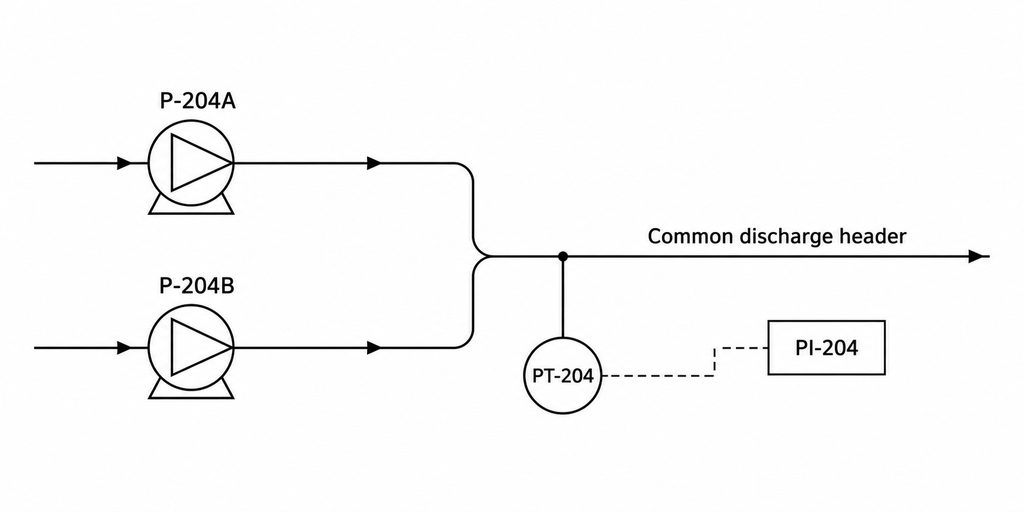
Figure 1. Illustrative connections; interpret symbols using the project legend.
For each observation, retain the drawing number, revision, issue status, sheet and location, together with the reviewer and date. Link to the retained revision, not a file continually replaced by newer issues. A crop can help, but reviewers still need the full sheet and legend.
Use precise review descriptions, such as “tag and process connection checked against revision C”. Distinguish information not shown from information that is illegible, conflicting or unchecked. These conditions require different next steps.
When documents disagree, first check that they describe the same property. A measurement capability and a calibrated range are not necessarily identical. Record unresolved values and their sources, and obtain the responsible discipline’s decision rather than choosing by file timestamp.
Keep installed identity separate. A site inspection may establish a serial number, but reading a nameplate does not establish calibration or loop performance. Likewise, a symbol disappearing from a revised drawing does not prove physical removal.
The register’s value lies in making these limits visible. The next engineer should be able to recover the source, understand what was checked and see what remains unresolved.
By Muaawia Jannat

He is the founder of Tagsight Technologies Inc., Calgary, working on structured equipment and instrument records from engineering documents.