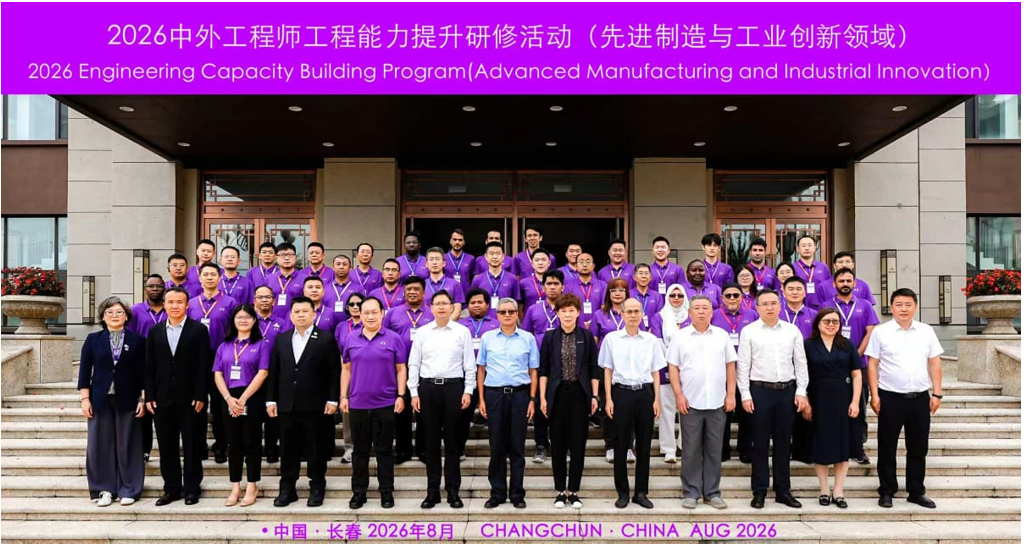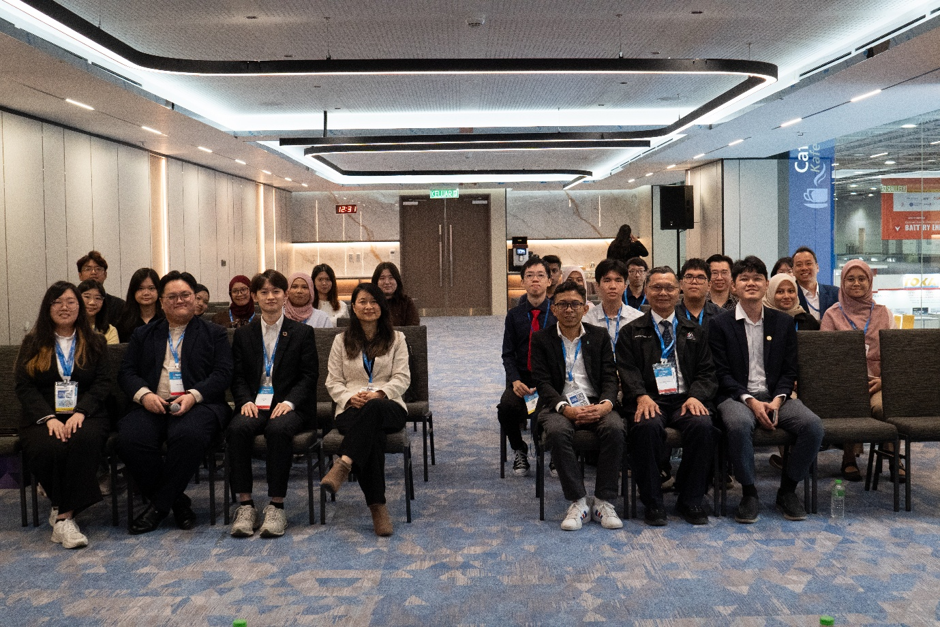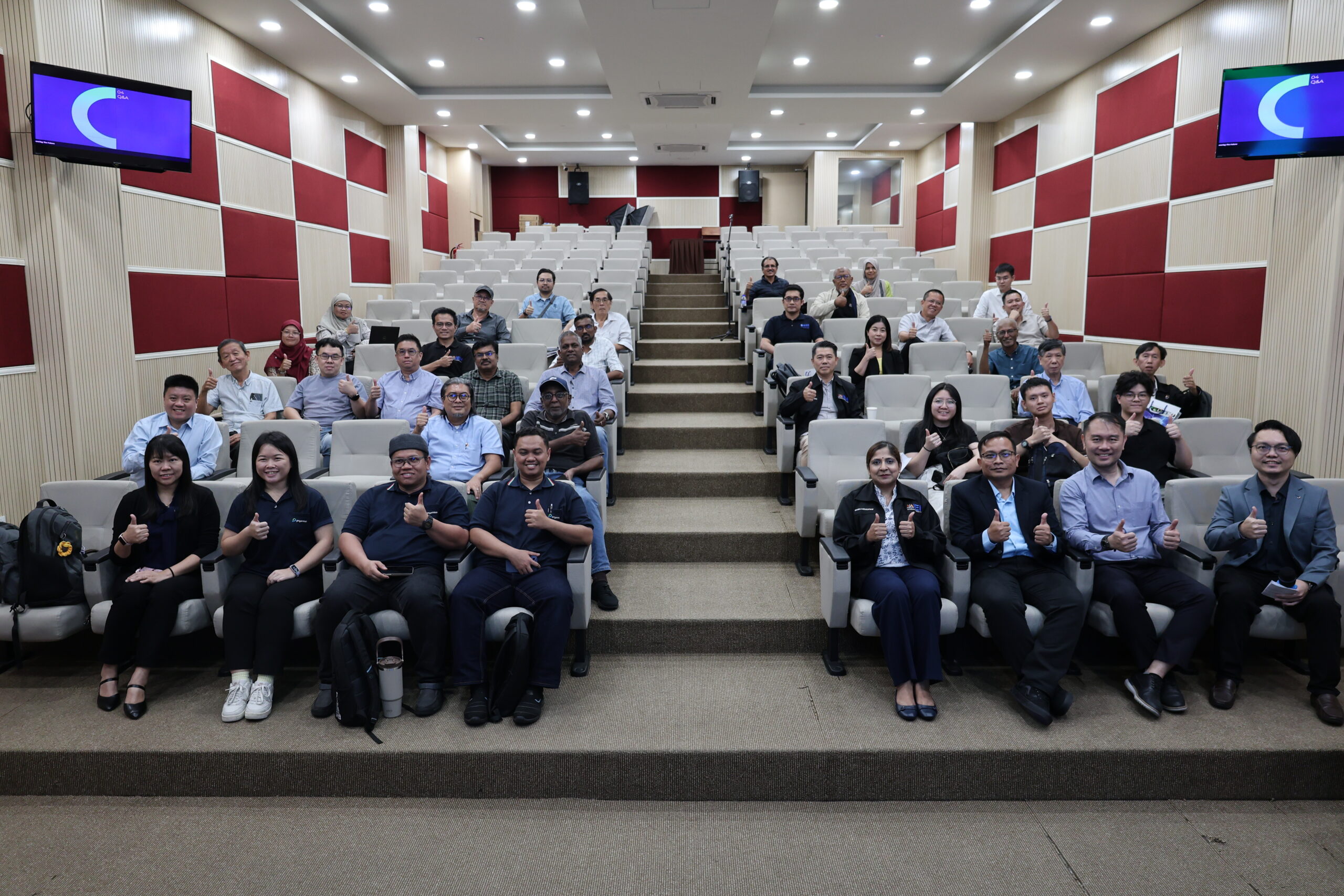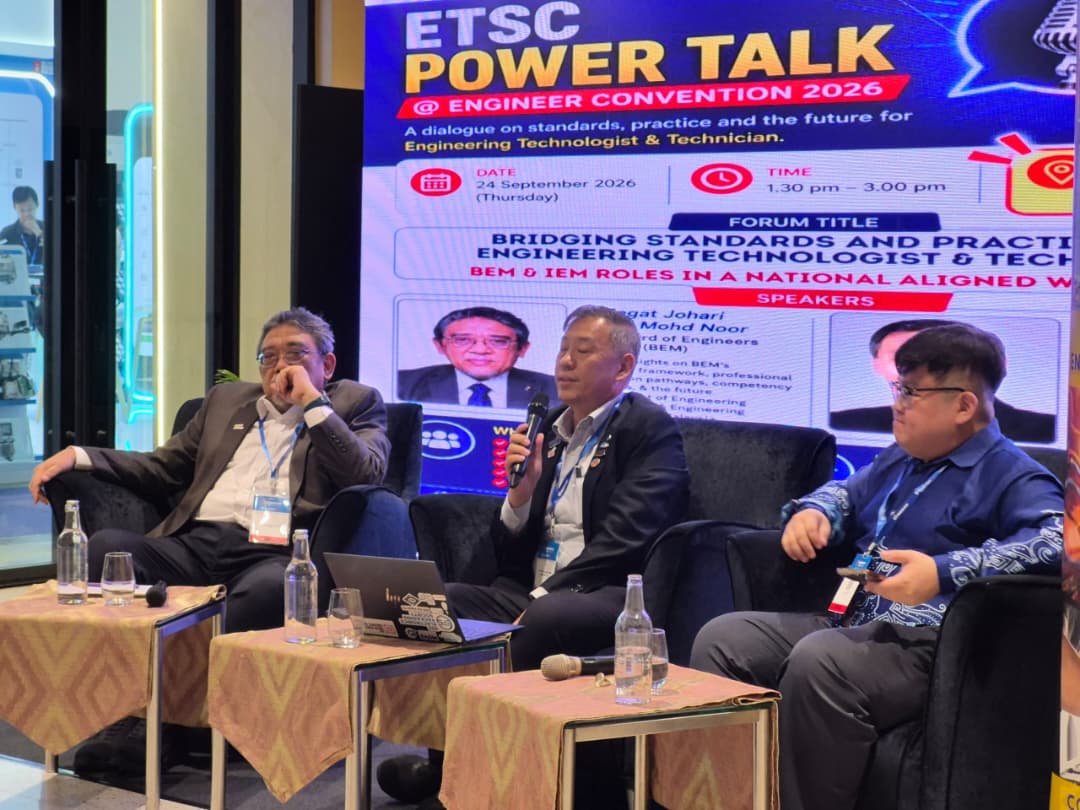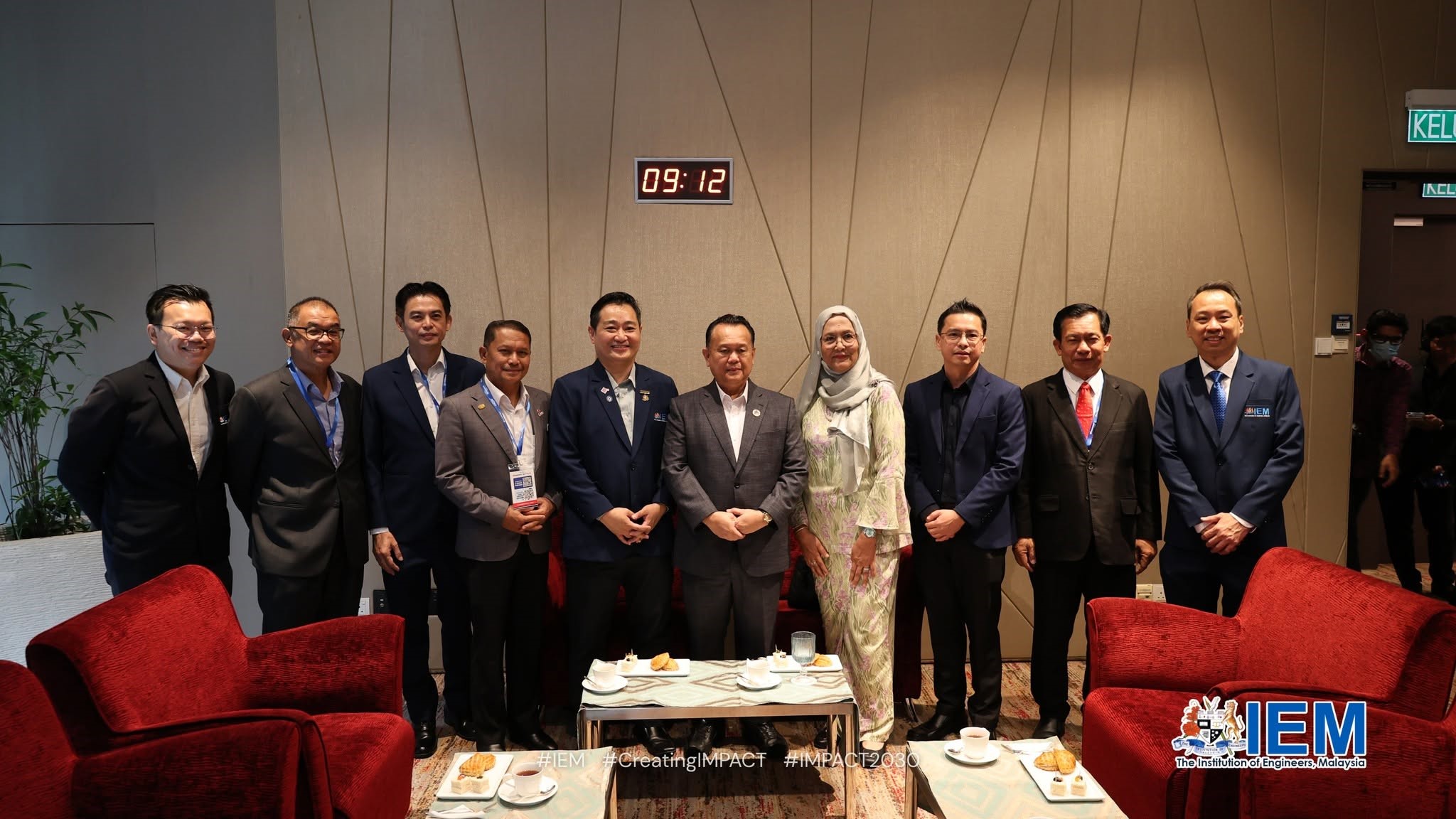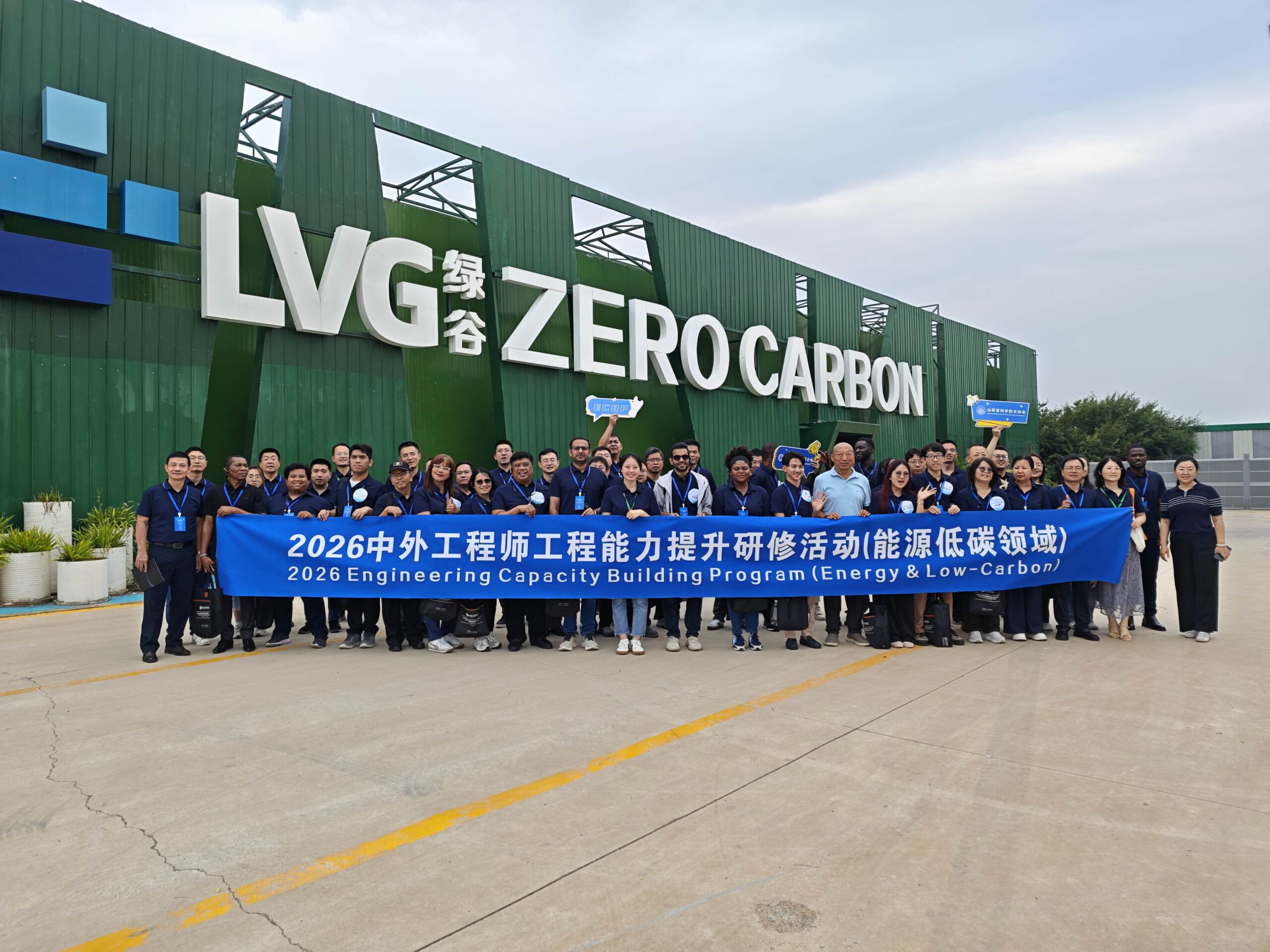
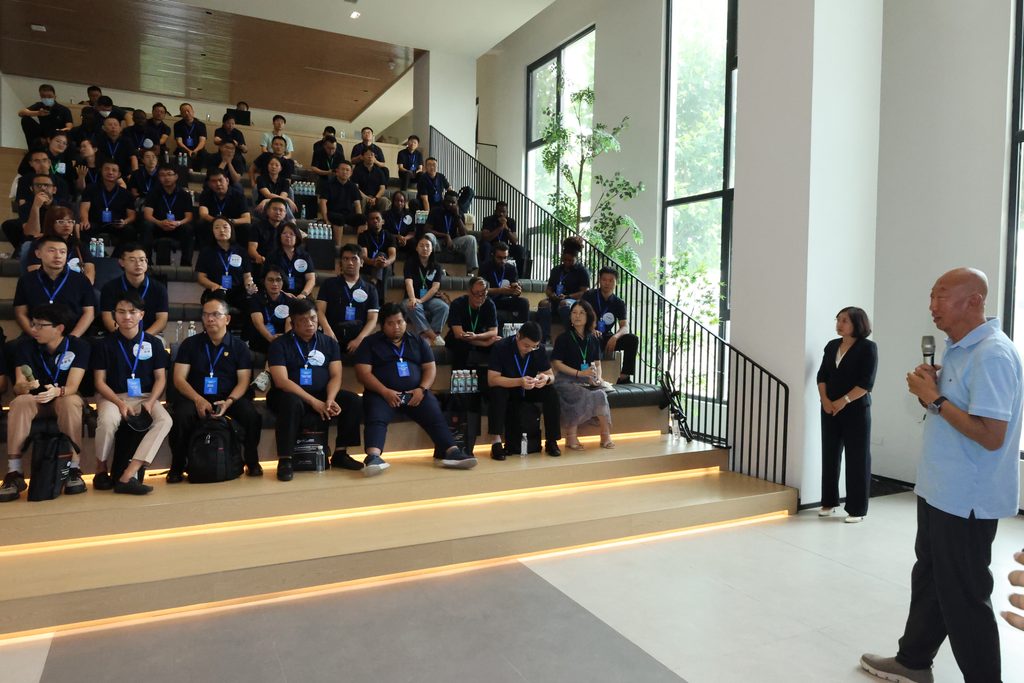
The 2026 Engineering Capacity Building Programme (Energy & Low-Carbon) was held from 16 to 21 August 2026 in Taiyuan, Shanxi Province, China. Hosted by the Chinese Society of Engineers (CSE) and organised by the Shanxi Science and Technology Innovation Service Center, with support from the Shanxi Association for Science and Technology, the programme brought together engineers from China, ASEAN countries and other regions for technical knowledge exchange, professional development and international collaboration.
The programme featured a series of technical presentations, institutional briefings, industrial site visits and cultural activities, providing participants with valuable exposure to advancements in energy efficiency, low-carbon technologies, smart infrastructure and sustainable engineering practices. Representatives nominated through the Institution of Engineers, Malaysia (IEM) Young Engineers Section (YES) also participated in the programme.
Professional Development and International Engineering Recognition
The programme commenced with discussions on engineering competency assessment, professional qualifications and international recognition of engineering credentials.
Representatives from IEM introduced the institution’s professional development framework and highlighted the roles of the ASEAN Federation of Engineering Organisations (AFEO), ASEAN Engineering Register (AER) and IEM Professional Interview (PI) 2.0.
These sessions emphasised the importance of continuous professional development, practical engineering experience and cross-border recognition of engineering competencies. The discussions also provided a platform for participants to exchange perspectives on professional standards and engineering practices across different countries.
Technical Visits and Industrial Exposure
A key component of the programme was a series of technical visits covering smart integrated energy systems, industrial resource utilisation, building energy efficiency, supercomputing infrastructure and wind-power equipment manufacturing.
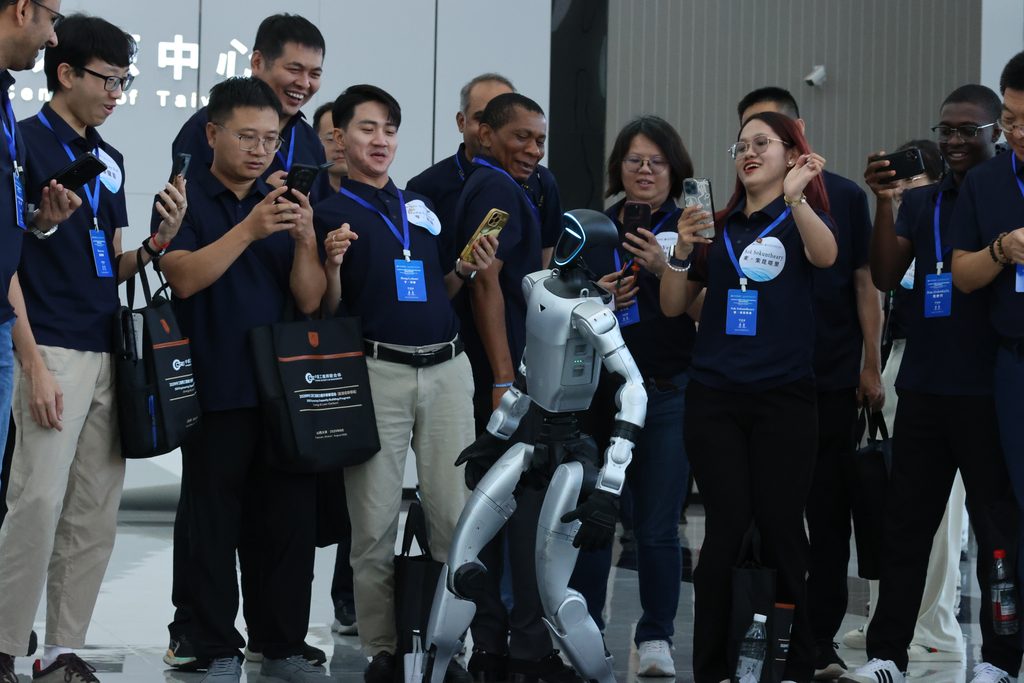
One of the notable visits was to the National Supercomputing Center in Taiyuan, where participants were introduced to the facility’s advanced computing infrastructure and operational systems.
The visit included demonstrations of robotic technologies, followed by guided tours of the exhibition area, server facilities and control and command centre. Particular attention was given to immersion liquid cooling technology, which enables efficient heat removal from computing equipment while supporting improved space utilisation.
Participants also gained insights into the centre’s role in providing high-performance computing resources to government agencies and industrial sectors, demonstrating the growing importance of advanced computing infrastructure in supporting technological innovation and digital transformation.
Sustainable Building Technologies and Regional Applicability
Another significant technical visit was conducted at the Green Valley Carbon Neutrality Eco-Technology Park, where participants explored the ISOMAX Ultra-Low Energy Demonstration Building.
The building incorporates an energy-efficient temperature regulation system that utilises circulating water, the building envelope and the relatively stable temperature of the ground to manage indoor thermal conditions.
The visit generated discussions on the applicability of such technologies in Southeast Asian countries, particularly those with tropical climates.
Participants raised questions regarding system performance under different climatic conditions, potential energy savings, implementation costs and long-term economic feasibility.
The discussions highlighted the importance of evaluating engineering solutions based on local environmental conditions, technical requirements, commercial viability and regulatory frameworks. Technologies successfully implemented in temperate regions may require further assessment and adaptation before being introduced in tropical countries such as Malaysia.
The exchange also reinforced the value of international technical collaboration in identifying opportunities and challenges associated with adopting emerging sustainable technologies.
Cultural Exchange and International Networking
In addition to technical activities, the programme incorporated cultural visits and interactive sessions to promote mutual understanding and strengthen professional relationships among participants.
Cultural activities included traditional Chinese performances featuring excerpts from Dream of the Red Chamber, Chinese opera, singing and dancing. Participants also attended a traditional paper-cutting workshop and visited the Donghu Vinegar Garden to learn about Shanxi’s traditional aged vinegar production.
These activities provided insights into the region’s cultural heritage and demonstrated the relationship between traditional industries, engineering processes and technological development.
The programme concluded with a closing ceremony featuring an exchange of commemorative gifts. IEM representatives presented engraved wooden plaques to the hosts, while the organisers presented a galloping-horse artwork as a gesture of appreciation and friendship.
Throughout the programme, networking opportunities during technical visits, cultural activities and shared discussions encouraged interaction among engineers from different countries and professional backgrounds, strengthening regional and international engineering connections.
Conclusion
The 2026 Engineering Capacity Building Programme (Energy & Low-Carbon) provided a valuable platform for knowledge sharing, technical exposure and international professional engagement.
Through its combination of institutional discussions, industrial visits and cultural exchange, the programme broadened participants’ understanding of emerging engineering technologies and their potential applications across different industries and geographical regions.
The programme also highlighted the importance of adapting international engineering innovations to local conditions, particularly in addressing energy efficiency, sustainability and low-carbon development challenges.
Such initiatives contribute to continuous professional development while strengthening collaboration between engineering institutions and professionals across national boundaries.
IEM YES extends its appreciation to the Chinese Society of Engineers, Shanxi Science and Technology Innovation Service Center and Shanxi Association for Science and Technology for their hospitality and efforts in organising the programme. The initiative reflects the importance of international cooperation in advancing engineering knowledge, fostering professional relationships and supporting the development of future-ready engineers.