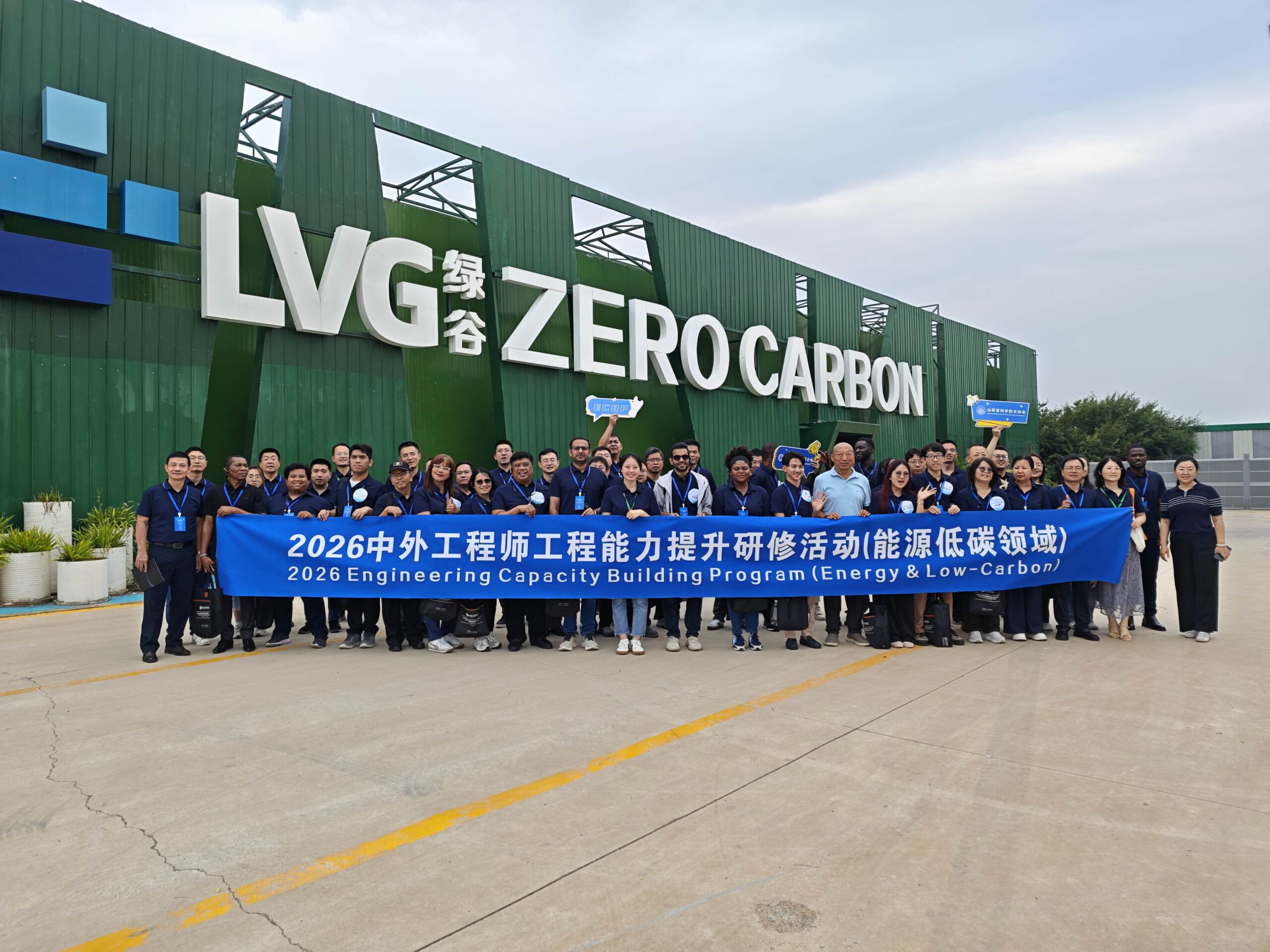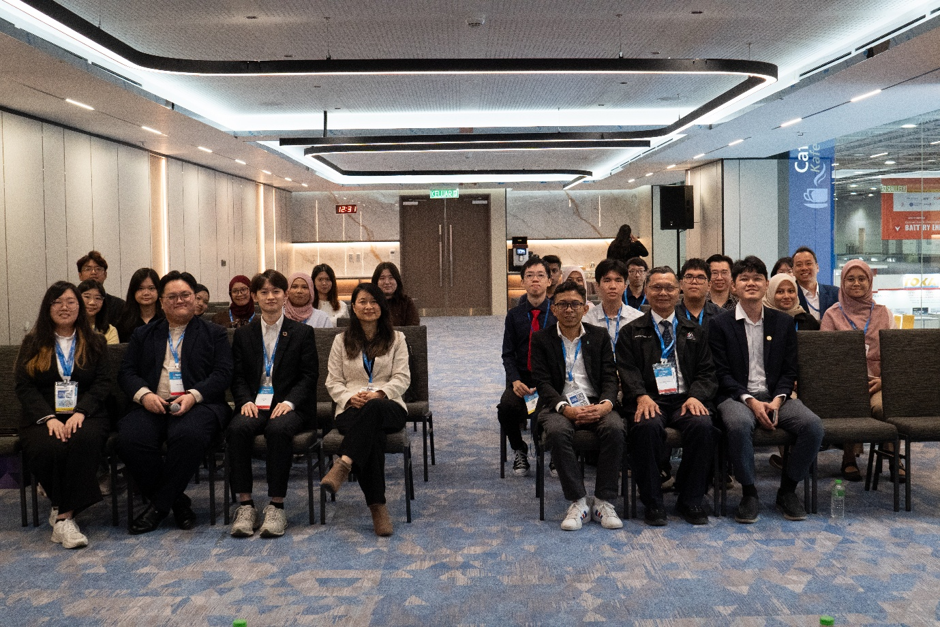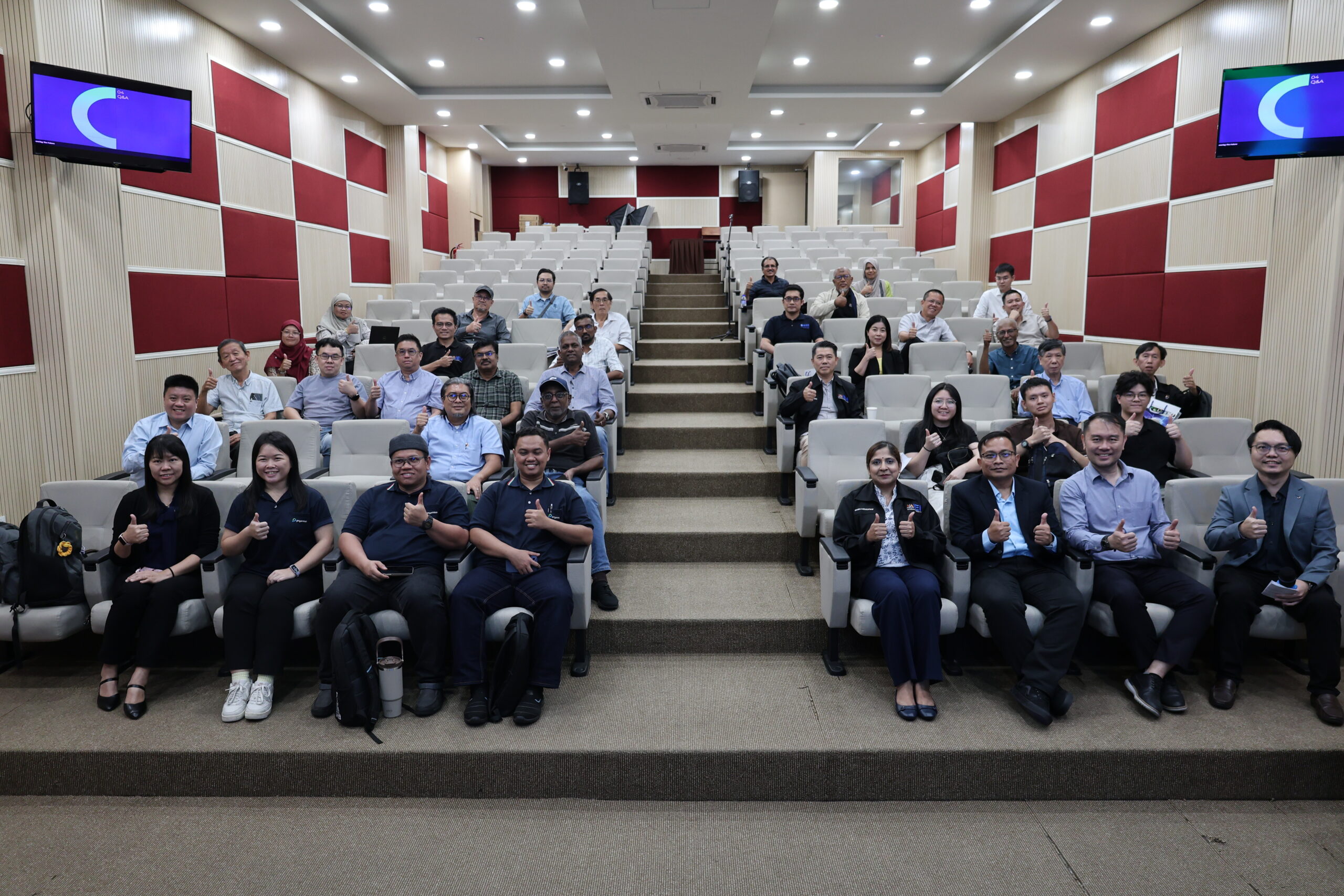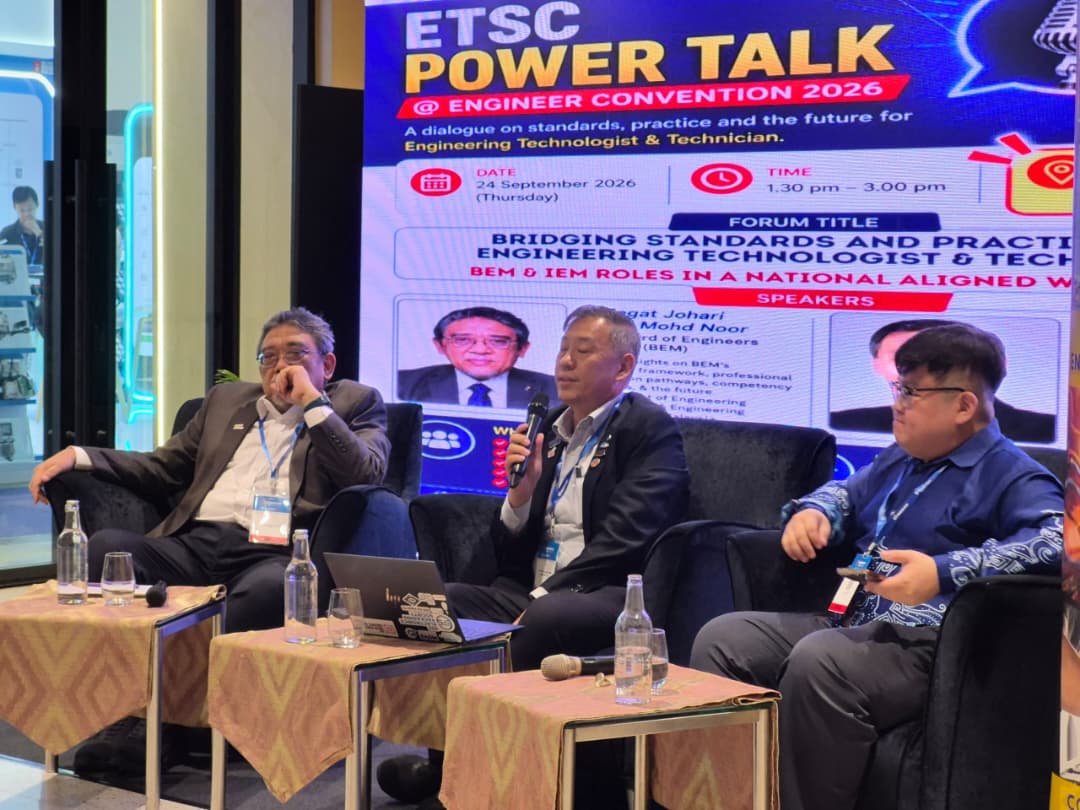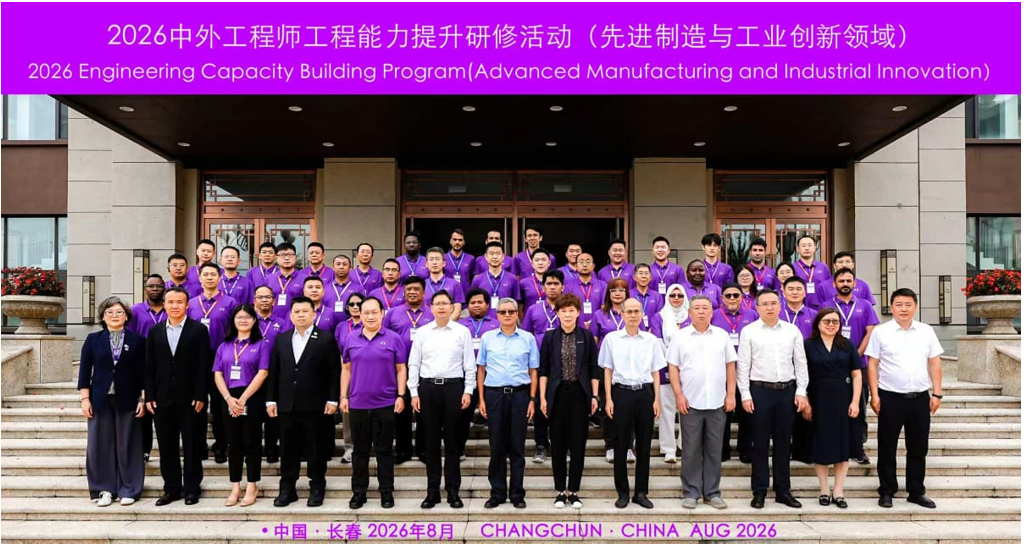
CSE’s capacity building program in Jilin, China, held from 23 to 28 August, was focused on advanced manufacturing, digital transformation and infrastructure development. The technical learning, industrial exposure and professional exchange occurred through a series of presentations, institutional briefings and site visits.
Advancing Engineering Knowledge Through Technical Presentations
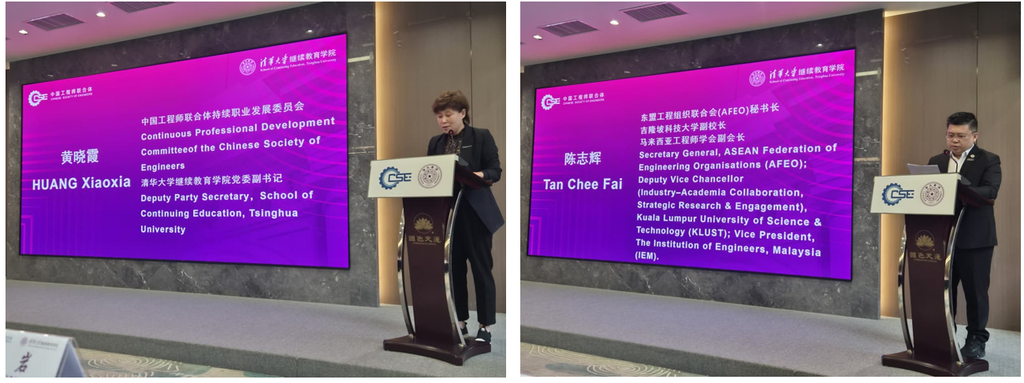
The programme commenced with its opening ceremony on 24 August with over 50 participants from China, Southeast Asia, Africa and international students studying in China.
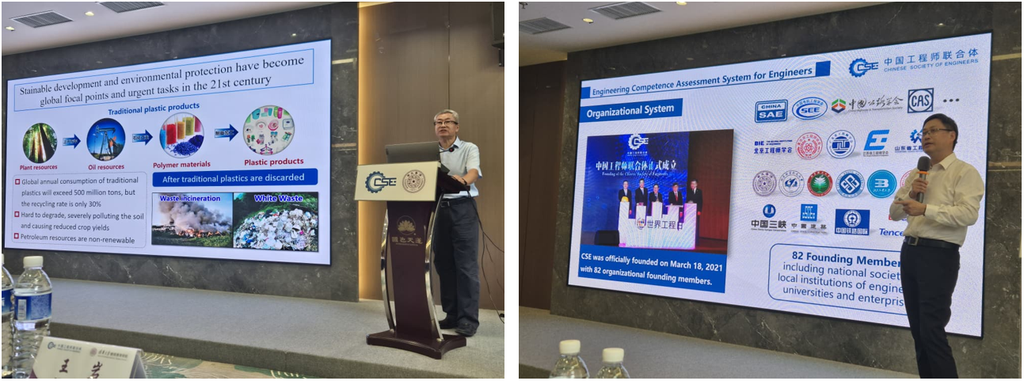
The technical sessions covered a range of engineering topics. Prof. Chen Xuesi delivered a presentation on biodegradable polymers and their applications, highlighting the subject of advanced materials and their industrial potential. This was followed by a presentation by Mr Fang Siping on the progress of engineering capacity building and international cooperation networks under the Chinese Society of Engineers.
The programme also examined the changing industrial landscape in Southeast Asia. Prof. Tan Chee Fai addressed industry trends, engineering practices and the development of engineering competencies in the context of smart manufacturing and digital transformation in ASEAN. An introduction to AFEO, IEM and IEM YES given by Ms Kit Shang Ling further provided a perspective on engineering organisations and professional engagement within the ASEAN region.
Additional technical sessions explored advanced manufacturing technologies and public-private partnership (PPP) practices in complex infrastructure projects, drawing on Malaysian experience and lessons presented by Dato’ Tan Yew Chong. These presentations provided a platform for discussing technological advancement, engineering practice and the importance of developing professional capabilities to meet evolving industry needs.
Learning from Industry: Advanced Manufacturing and Emerging Technologies
A key component of the programme was its series of technical visits to industrial facilities across Jilin, offering participants opportunities to engage with manufacturing technologies and industrial applications beyond the classroom.
On 25 August, participants visited China FAW Group Co., Ltd. for a technical exchange on smart manufacturing and advanced equipment. The visit was followed by a session at Changchun Cedar Electronics Technology Co., Ltd., focusing on new display technologies and the optoelectronic manufacturing industry. These engagements provided exposure to two important areas of industrial development, namely advanced equipment manufacturing and high-technology electronic production.
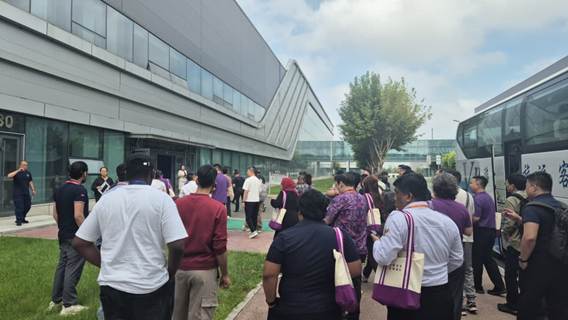
The programme continued 26 August with a technical visit to CRRC Changchun Railway Vehicles Co., Ltd., where the focus was on the manufacturing and innovative practices associated with China’s high-speed rail transit equipment. Participants also visited Chang Guang Satellite Technology Co., Ltd. to explore the commercial aerospace and satellite applications industry.
The day’s activities concluded with visits to Jilin Yongli Laser Technology Co., Ltd. and Changchun Aerospace Composite Materials Co., Ltd., covering laser manufacturing technologies and high-performance composite materials. These visits broadened the programme’s industrial scope, spanning transportation engineering, aerospace applications, precision manufacturing and advanced materials.
Cultural Exchange
Beyond its technical agenda, the programme incorporated cultural exchange through a visit to the Jilin Provincial Museum on 25 August. The visit complemented the industrial engagements by providing an opportunity for participants to learn more about the region’s cultural and historical heritage.
Exploring Intelligent Manufacturing and Embodied Intelligence
On 27 August, the programme returned to technical learning with a presentation by Assoc. Prof. Shao Zhufeng on intelligent manufacturing and embodied intelligence. The session addressed an area of growing interest in the development of intelligent industrial systems and the integration of advanced technologies into manufacturing processes.
A workshop on achievement sharing, exchange and discussion followed in the afternoon. This session provided a platform for participants to reflect on the programme’s technical content, exchange perspectives and discuss insights gained from the presentations and industrial visits.
The programme concluded with a closing ceremony and certificate presentation.
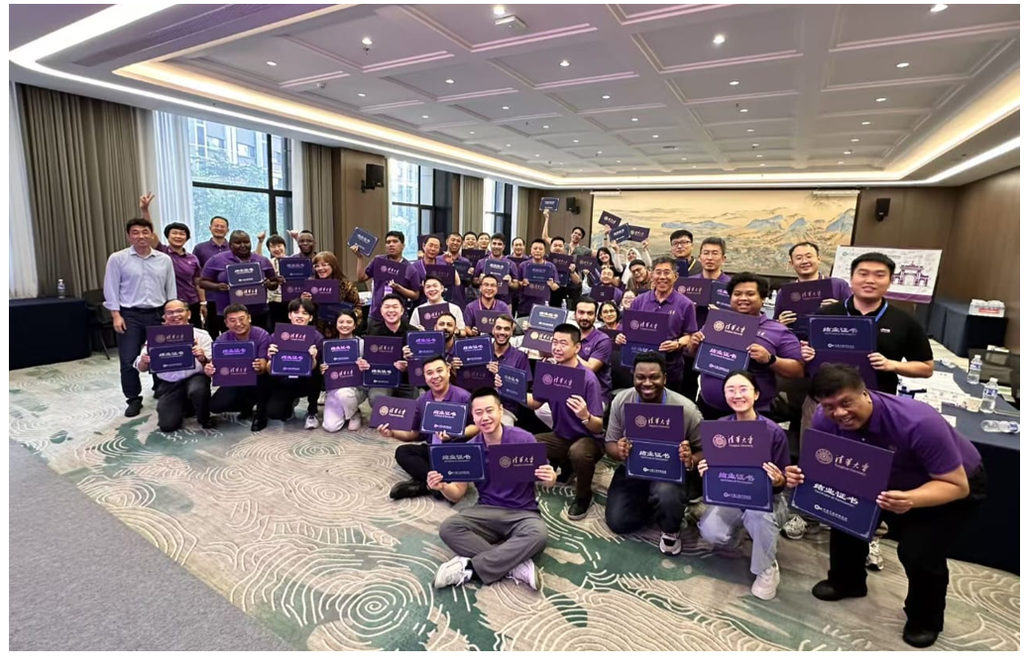
As engineering challenges become increasingly interconnected, initiatives that facilitate international knowledge exchange and industry engagement remain valuable in supporting professional development and building stronger links between engineering communities. Thus, IEM YES truly appreciates CSE for continuously organizing and inviting the ASEAN engineering community to participate in these initiatives. Cheers to more IMPACT-ful collaborations in the future.